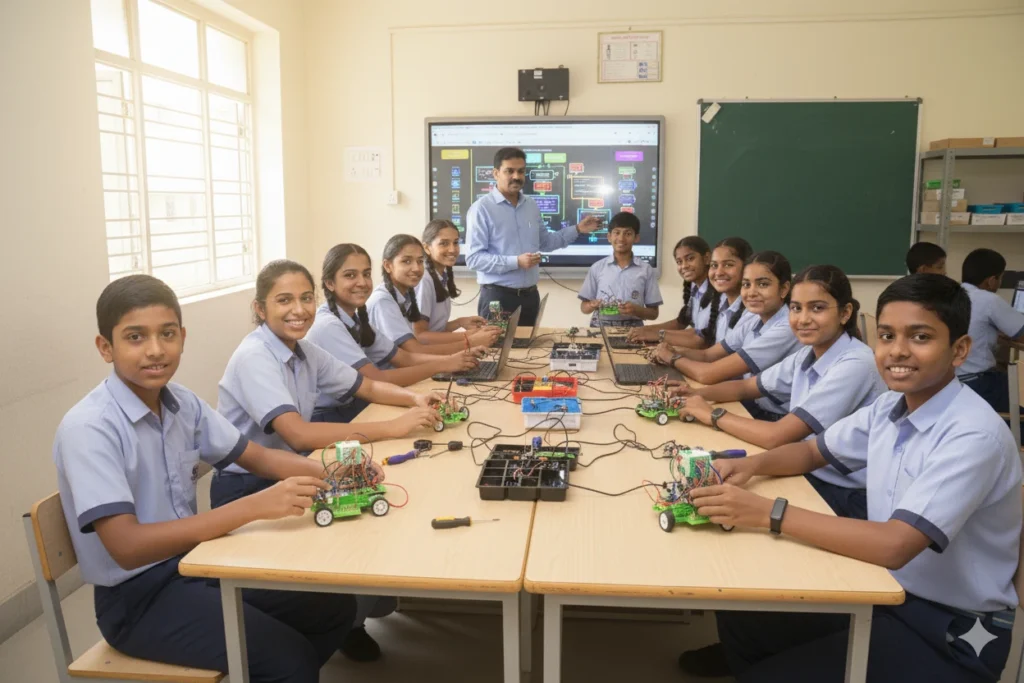
Selecting the right school is one of the most significant decisions parents make for their child’s future. A school is not just a place for academic learning—it is where children develop confidence, curiosity, discipline, and essential life skills that shape who they become. The environment, teaching approach, and opportunities provided by a school can strongly influence a child’s intellectual growth, personality development, and long-term success. With numerous schools offering different boards, facilities, and teaching philosophies, choosing the best option can often feel overwhelming for parents. Instead of relying solely on reputation or recommendations, it is important to carefully evaluate key aspects such as curriculum quality, experienced faculty, safety standards, infrastructure, and extracurricular opportunities. Understanding these factors can help parents make a confident and well-informed decision that supports their child’s holistic development and lifelong learning journey. 1. Curriculum and Academic Approach The curriculum forms the backbone of a child’s education. Different boards such as SSC, ICSE, CBSE, or international boards, have unique teaching styles, assessment patterns, and subject focus. Parents should evaluate: A strong curriculum should help children develop critical thinking, communication skills, and strong subject foundations, preparing them for higher education and future careers. 2. Qualified and Supportive Teachers Teachers play a crucial role in shaping a child’s academic journey. Even the best infrastructure cannot replace passionate and knowledgeable educators. Before choosing a school, parents should check: Experienced teachers not only deliver lessons but also mentor, motivate, and guide students throughout their learning journey. 3. Student–Teacher Ratio Class size directly impacts the amount of attention a child receives. A lower student–teacher ratio allows teachers to identify individual strengths and learning gaps more effectively. Benefits of smaller class sizes include: Research shows that when teachers manage fewer students, they can provide more targeted guidance and support. 4. Infrastructure and Learning Facilities A well-equipped campus significantly enhances the learning experience. Modern infrastructure encourages curiosity, creativity, and hands-on learning. Parents should look for facilities such as: Schools that invest in good infrastructure create an environment where students feel inspired to explore and learn. 5. Safety and Security Measures Safety should always be a top priority when selecting a school. Children spend a large part of their day at school, so the campus must ensure a secure environment. Important safety measures include: Parents should visit the campus and observe how safety protocols are implemented daily. 6. Extracurricular and Co-Curricular Activities Education is not limited to textbooks. Extracurricular activities help children discover their talents and build essential life skills. A good school should offer opportunities in: These activities build confidence, teamwork, creativity, and leadership skills in students. 7. School Culture and Values Every school has a unique culture and philosophy. Some institutions emphasize academic excellence, while others focus more on holistic development. Parents should evaluate whether the school promotes: A positive school culture helps children feel motivated, respected, and supported throughout their education journey. 8. Location and Transportation The location of a school can significantly impact a child’s daily routine. Long commutes may cause fatigue and reduce time for homework or extracurricular activities. Parents should consider: Choosing a conveniently located school ensures a better balance between study, rest, and play. 9. Communication Between School and Parents Transparent communication between parents and the school is essential for a child’s development. Look for schools that provide: Strong parent-school collaboration ensures that both parties work together to support the child’s success. 10. Focus on Holistic Development The best schools aim to nurture students academically, socially, emotionally, and creatively. Holistic education focuses on: Schools that encourage balanced development prepare students to thrive in academics and real-world challenges. Shaping a Brighter Future Through the Right School Selecting the right school is one of the most valuable investments parents can make in their child’s life. The right educational environment not only strengthens academic knowledge but also nurtures confidence, creativity, discipline, and strong values. When parents thoughtfully evaluate important aspects such as curriculum, teacher expertise, infrastructure, safety, and extracurricular opportunities, they ensure their child receives a well-rounded education that prepares them for future challenges. A school that focuses on both academic excellence and holistic development helps students grow into responsible, skilled, and confident individuals. When parents search for the best english medium school in Camp Pune, Rosary Schools & Jr. College stands out for its commitment to quality education, character building, and holistic development. The right school doesn’t just educate a child—it inspires them to grow, achieve, and succeed in every stage of life. Common Questions Parents Ask Before Selecting a School How do I know if a school is good for my child? A good school will offer a balanced combination of strong academics, qualified teachers, modern facilities, safety, and opportunities for extracurricular growth. What is the ideal student–teacher ratio? A lower ratio allows teachers to give more personalized attention to each student, improving understanding and classroom engagement. Which school board is better for my child? The best board depends on your child’s learning style, career goals, and academic strengths. Each board offers unique advantages. Should extracurricular activities influence school selection? Yes. Extracurricular activities help children develop confidence, creativity, teamwork, and leadership skills beyond academics. How important is school infrastructure? Infrastructure such as labs, libraries, and sports facilities enhances practical learning and overall student development.