Choosing the right school board is more than an academic decision — it’s a foundation that shapes your child’s learning style, confidence, career readiness, and overall personality development. In India’s diverse education landscape, the debate around ICSE vs SSC is one of the most common among parents. Each board offers a distinct curriculum approach, assessment style, and learning experience, making it essential to understand how these differences align with your child’s strengths and long-term aspirations.
For many families, the real question isn’t “Which board is better?” but rather “Which board is right for my child?” From academic depth and language proficiency to competitive exam preparation and global opportunities, the choice can influence both immediate learning outcomes and future career pathways. This guide breaks down the key differences, benefits, and long-term impact of ICSE and SSC, helping you make a confident and well-informed decision.
What Do We Mean by ICSE and SSC?
ICSE (Indian Certificate of Secondary Education)
This is a national board run by the Council for the Indian School Certificate Examinations (CISCE) that focuses on comprehensive learning across subjects with a strong emphasis on English and practical skills.
SSC (Secondary School Certificate)
SSC refers to the state board examinations conducted by state education boards across India like the Maharashtra State Board of Secondary and Higher Secondary Education (MSBSHSE). It’s the standard state-level curriculum followed by most schools in the region, culminating in the Class 10 and Class 12 SSC/HSC exams.
Key Differences Between ICSE and SSC
1. Curriculum Depth & Breadth
- ICSE offers a wide and detailed syllabus with equal focus on languages, sciences, humanities, and arts. This builds strong analytical, communication, and reasoning skills.
- SSC follows a state-specific syllabus that is typically more concise and practical in scope, focusing on regional relevance and core concepts. This often makes it easier to balance academics with other pursuits.
2. Language & Communication
- ICSE puts English language proficiency at the centre, with rigorous training in grammar, literature, comprehension, and expression.
- SSC includes regional languages alongside English, which supports local cultural identity but might not build English fluency as deeply.
3. Assessment Style
- ICSE assessments include written exams, internal assessments, projects, practicals, and portfolios – encouraging deeper understanding.
- SSC is more exam-centric with a balanced combination of theory and practical papers structured by the state board. It usually follows a straightforward grading pattern.
4. Global Recognition
- ICSE enjoys high recognition in many countries due to its broad syllabus and strong language focus, which can be helpful if you plan on studying abroad.
- SSC is primarily recognised within India, though certificates are accepted globally; the focus remains local and state-aligned.
5. Syllabus Load & Study Style
- ICSE’s syllabus is often perceived as more comprehensive and demanding, requiring consistent study across multiple subjects.
- SSC’s syllabus is generally more compact, making it easier for students to manage studies alongside extracurriculars and hobbies.
Benefits of ICSE
Holistic & Broad Learning
ICSE encourages critical thinking, research, projects, creative writing, and hands-on learning that extends beyond rote memorisation. The curriculum is designed to build conceptual clarity across subjects, ensuring students understand the “why” behind every concept rather than simply memorising facts. This approach nurtures independent learners who are confident in applying knowledge to real-world situations.
Strong English Foundation
With a focus on comprehensive English skills, ICSE students tend to have an edge in communication, writing, and comprehension – helpful for careers in humanities, law, journalism, and global studies. The detailed literature and language components strengthen vocabulary, analytical writing, and presentation skills, which are highly valued in higher education and professional environments.
Better Preparation for Diverse Careers
Because of its wide subject range and depth, ICSE prepares students well for a variety of academic paths and global educational systems. Whether a student chooses science, commerce, arts, or emerging interdisciplinary fields, the strong academic base supports smooth transitions into competitive courses and international curricula.
Benefits of SSC
Local Relevance & Ease
SSC’s state-centric curriculum is aligned with regional needs and is easier to absorb, especially for students who plan to study within the same state or region. The syllabus often reflects local history, language, and socio-economic context, making learning more relatable and practical for students. This familiarity can help learners grasp concepts faster and perform confidently in state-level examinations.
Balanced Academic Load
The structure makes it easier for many students to balance academics with sports, arts, music, hobbies, and personal interests. With a comparatively streamlined syllabus, students often experience reduced academic pressure, allowing them to explore extracurricular activities and develop well-rounded personalities alongside their studies.
Affordability & Accessibility
Because SSC schools are typically more numerous and accessible, they offer a cost-effective option for quality schooling in towns and cities. This wider availability ensures that students from diverse backgrounds can access structured education without the financial burden often associated with certain national or international boards.
How Does Board Choice Impact Career Paths?
Higher Education in India
- ICSE students often have strong language, analytical, and writing skills that benefit humanities, liberal arts, law, and even research degrees internationally.
- SSC students with focused study habits can perform equally well in Indian competitive exams and entrance tests, especially with targeted coaching.
Competitive Exams
There’s a perception that SSC (and similarly streamlined boards) align more seamlessly with competitive exams like engineering and medical entrance tests in India. Additional preparation is often needed for these, regardless of board.
- The focused and structured syllabus can make it easier for students to align their studies with entrance exam patterns such as JEE, NEET, and state-level CETs.
- Many students supplement their board learning with coaching classes, practice tests, and mock exams to strengthen problem-solving speed and accuracy.
Global Opportunities
ICSE’s emphasis on English and broad curriculum makes international university admissions and standardized tests (like SAT, TOEFL) more approachable for many students.
- Strong language skills and project-based assessments help students perform confidently in essays, interviews, and application processes abroad.
- The comprehensive subject exposure builds analytical and research abilities, which are highly valued by international universities and global career pathways.
How to Choose the Best School (Beyond Just the Board)
While selecting between ICSE and SSC is important, choosing the right school environment plays an even bigger role in your child’s success and overall development. A good school nurtures academic excellence, character building, and life skills together.
Here are key factors parents should consider:
- Teaching Quality & Individual Attention: Look for experienced educators who focus on concept clarity, mentorship, and personal guidance rather than just syllabus completion. Smaller class sizes and student-teacher interaction can make a significant difference.
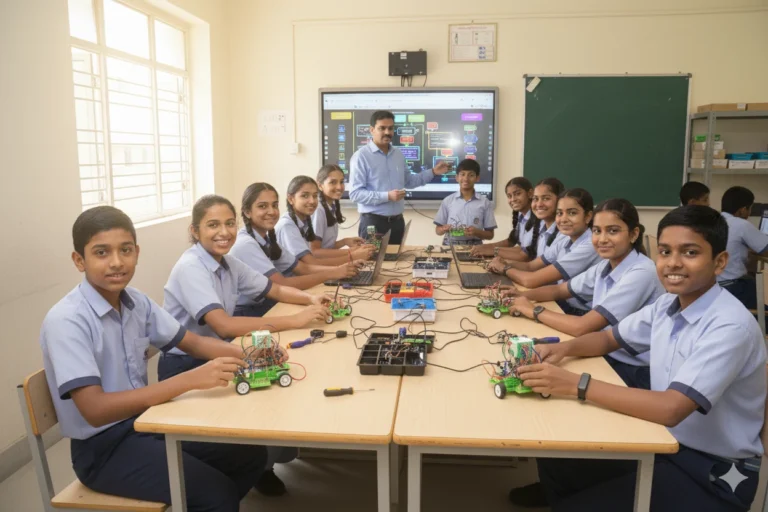
- Infrastructure & Learning Facilities: Modern science and computer labs, well-stocked libraries, activity rooms, and digital learning tools enhance practical understanding and engagement.
- Holistic Development Opportunities: A strong emphasis on sports, arts, leadership programs, and extracurricular activities helps students develop confidence, teamwork, and creativity alongside academics.
- Academic Support & Career Guidance: Schools that provide counseling, competitive exam guidance, and stream selection support (Science, Commerce, Arts) help students make informed career decisions.
- Values & School Culture: Beyond marks, a positive environment that promotes discipline, ethics, respect, and character building ensures students grow into responsible individuals.
For parents looking for flexibility and quality education under one roof, Rosary Schools & Jr. College offers the advantage of both ICSE and SSC boards, allowing families to choose the curriculum that best suits their child’s learning style and future goals. With a focus on academic excellence, modern learning facilities, individual attention, and holistic development from pre-primary to junior college, it provides a well-rounded foundation for long-term success.
Making the Right Choice for a Brighter Future
Choosing between ICSE and SSC is not about deciding which board is superior — it’s about understanding which curriculum aligns best with your child’s strengths, aspirations, and learning style. ICSE offers depth, strong English proficiency, and a broad academic framework, while SSC provides structured learning with regional relevance and balanced academic pressure. Both boards open doors to higher education and rewarding careers when supported by the right guidance, environment, and encouragement.
If you are searching for the best English medium school in Camp Pune, Rosary Schools & Jr. College stands out by offering both SSC and ICSE boards under one institution. With a strong focus on academic excellence, character formation, modern infrastructure, and holistic development from pre-primary to junior college, it empowers students to confidently pursue their dreams — whether in India or across the globe.